
What we do
AIRBORNE was established to ensure the full operational capability and continuous use of the CNR’s aerial platforms (ERA Sky Arrow 650 TCNS) and to facilitate flight campaigns in support of scientific research, technology demonstration, training, and validation under real-world operational conditions. Within the framework of the CNR’s facilities, AIRBORNE strengthens the organization’s role as a key player in the development of the space and aerospace sectors, promoting technology transfer, collaboration between public research and industry, and the maturation of highly reliable technologies.
AIRBORNE plays an enabling role: it makes it possible to “fly” complex instruments and systems, transforming the aircraft into a mobile laboratory.
Main activities
- Management and maintenance of the airworthiness of CNR Sky Arrow aircraft and their scientific configuration.
- Planning and coordination of flight campaigns and experimental activities, including those related to the AVIOLANCIO program and aeronautical and suborbital initiatives.
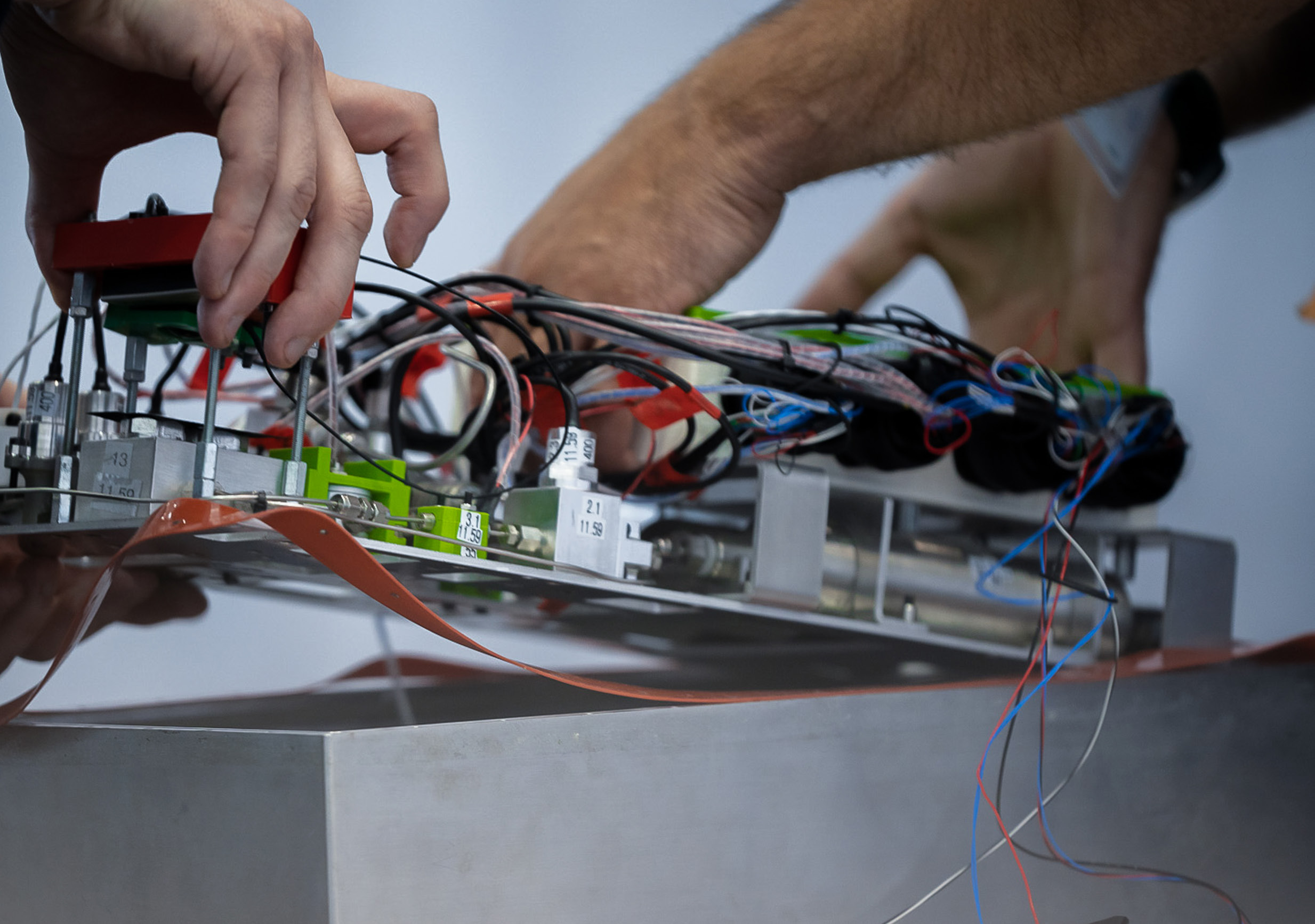
- Integration, testing, and support for scientific instruments and experimental payloads developed by CNR institutes and national/international partners.
- Technical, regulatory, and permitting coordination with key agencies and authorities: ENAC, the Italian Air Force, the Ministry of Infrastructure and Transport, ASI, and other institutional stakeholders.
AIRBORNE’s mission is to establish a stable and reliable infrastructure capable of supporting the entire lifecycle of airborne activities, from design and instrument integration through to flight operations, data collection, and validation. All of this is carried out in accordance with aviation regulations and standards, with the aim of ensuring a continuous and safe service to support the scientific and technological needs of the CNR.
In this context, AIRBORNE aims to ensure the operational continuity and availability of CNR’s aerial platforms, accelerate the development of aerospace technologies by mitigating risks through real-world testing, and facilitate training and instruction for personnel involved in operations. These activities are conducted in full compliance with applicable regulations, while maintaining the necessary authorizations for Non-Commercial Specialized Operations (SPO-NCO).
AIRBORNE relies on a fleet of high-performance light aircraft designed to carry advanced sensors and instrumentation, with configurations that can be adapted to meet mission requirements. The flagship platform is the ERA Sky Arrow 650 TCNS, a versatile and configurable solution used in environmental monitoring and “in situ” Earth observation missions, in aerospace system validation and technology demonstrations, and in experimental missions with flight profiles adaptable to scientific objectives.
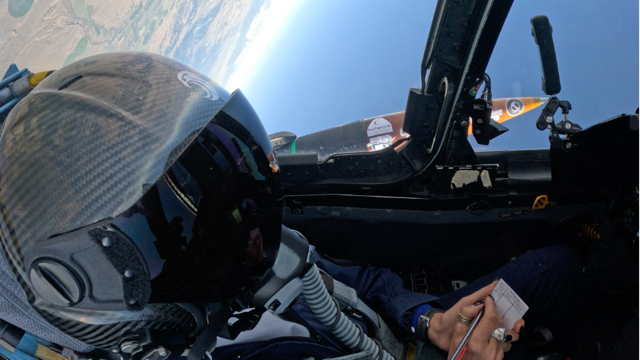
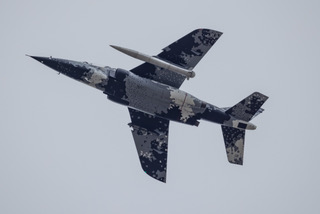
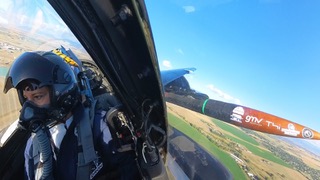
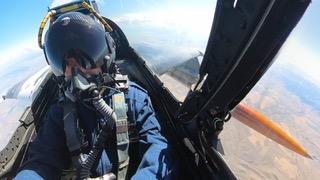
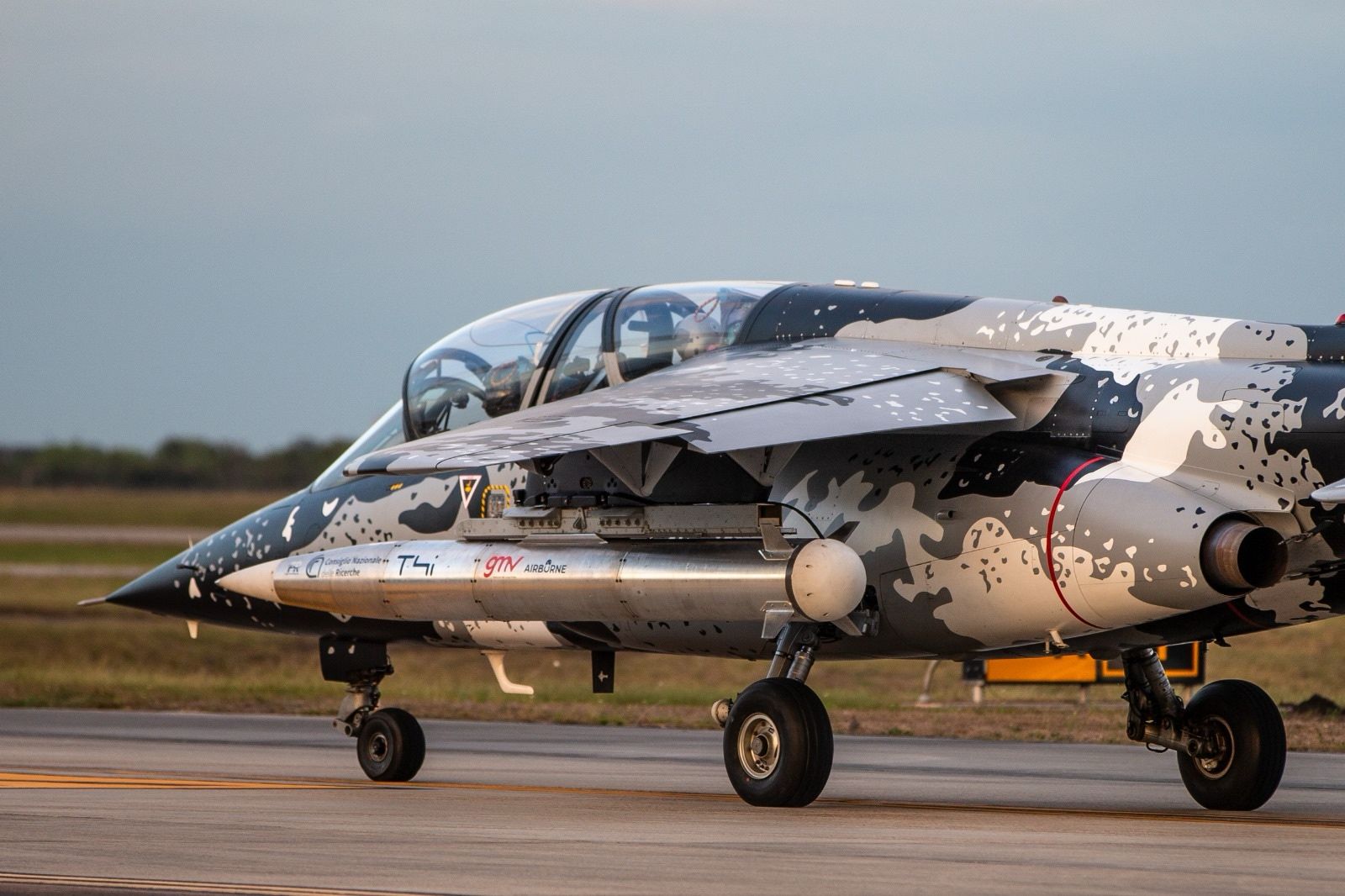
In addition to this equipment, AIRBORNE also develops and supports operations using high-performance aircraft, which are particularly useful when more demanding mission profiles are required in terms of altitude, speed, dynamics, payloads, and operating conditions. These capabilities enable the validation of solutions and procedures in advanced scenarios, broadening the range of applications and enhancing the robustness of the results obtained.
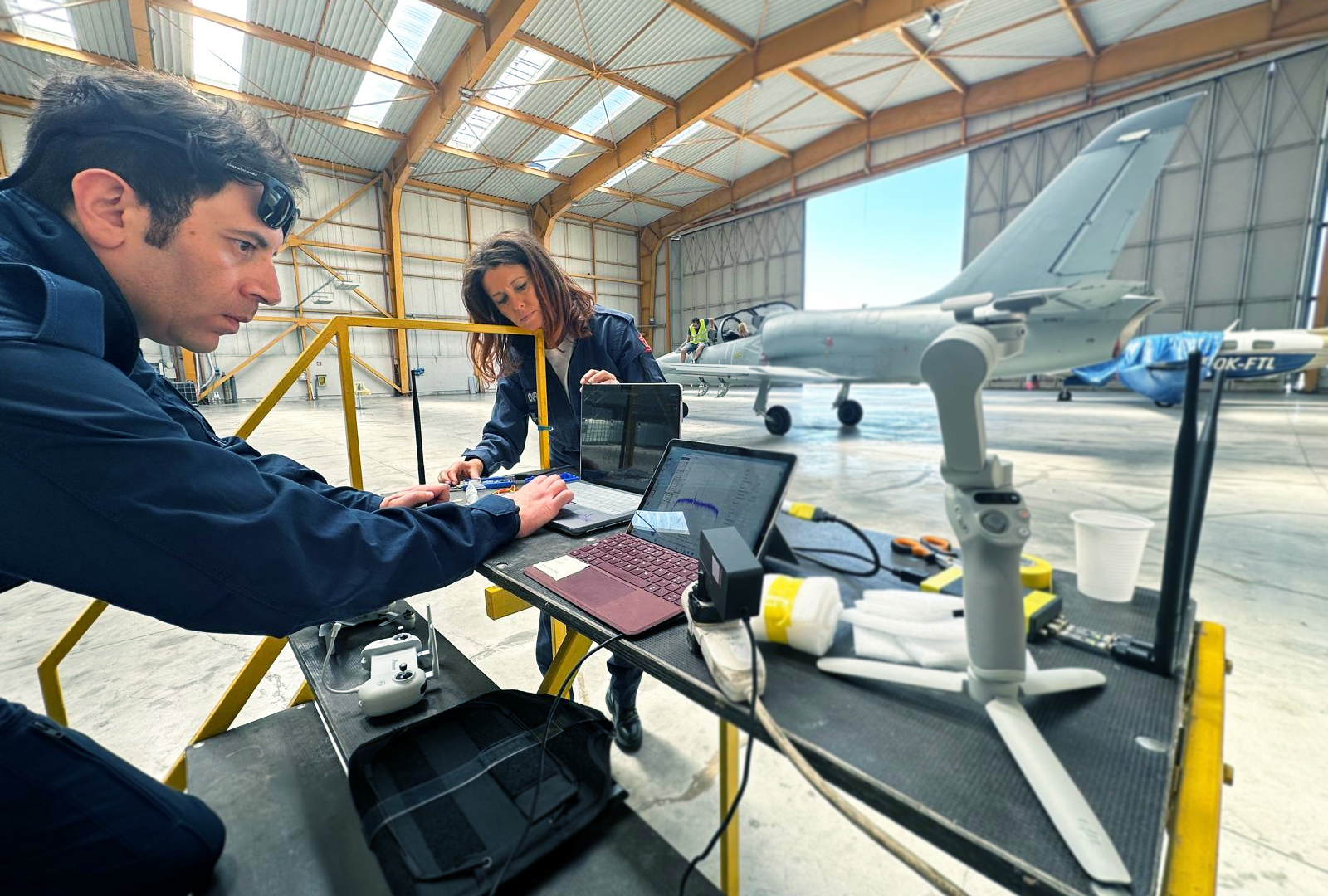
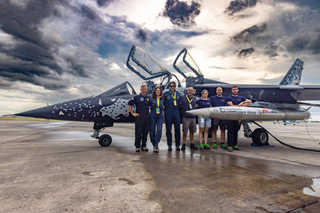
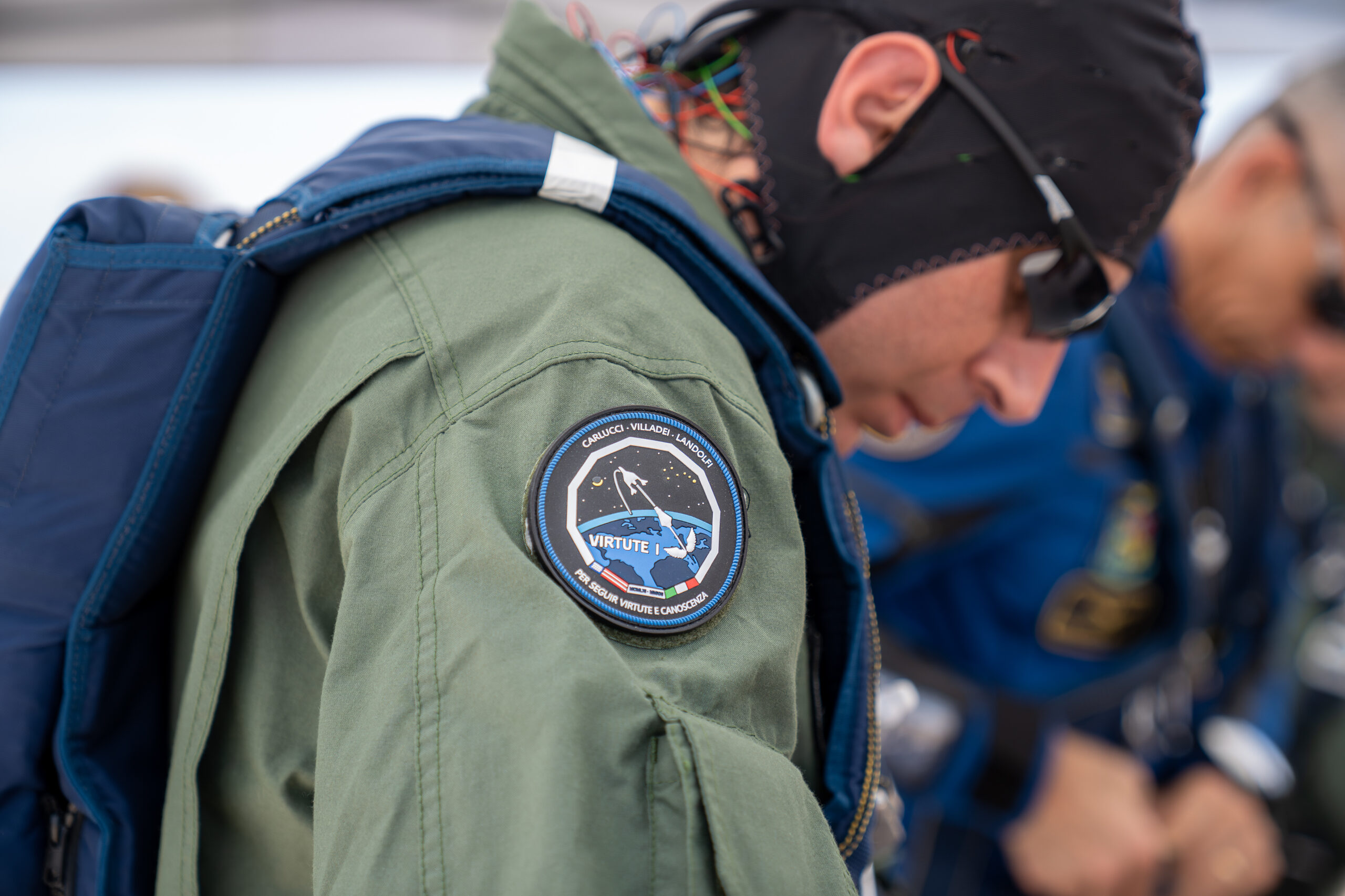
L. Paciucci and P. Carlucci during testing at Ancona-Falconara Airport
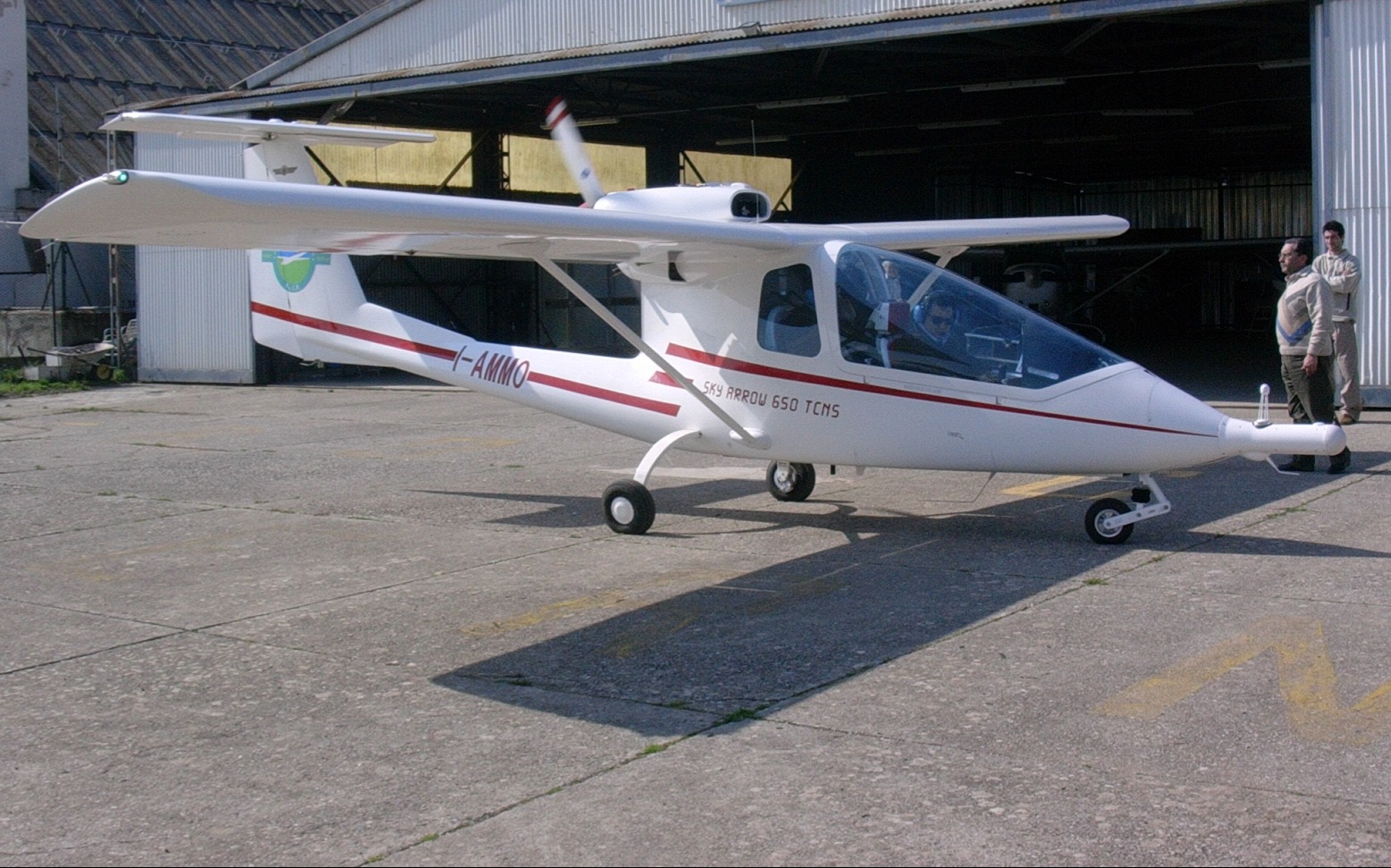
The ERA SkyArrow, owned by the CNR
Areas of application
AIRBORNE is designed to enable repeatable in-flight measurements and observations through campaigns focused on the study of environmental and climatic phenomena and processes. Data collection can be repeated over time and conducted over large areas, thereby ensuring data consistency and the reliability of comparative analyses.
A second key area concerns aerospace technologies, for which AIRBORNE provides an operational environment in which to test and validate payloads and subsystems under real-world conditions. This approach makes it possible to verify performance, compatibility, and robustness before moving on to more complex or costly phases, thereby reducing risks and uncertainties throughout the technology maturation process.
AIRBORNE also plays a key role in training and operational instruction: structured procedures, ground operations, and flight missions help build skills and safety, with a particular focus on mission and payload management and regulatory compliance.

Key Programs: AVIOLANCIO and trajectories to Suborbital Space
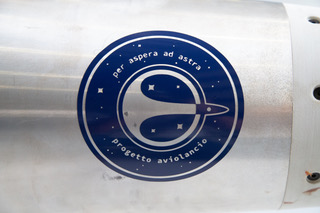
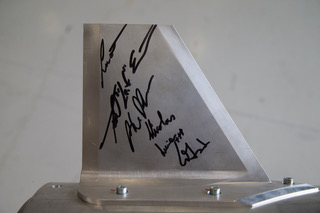
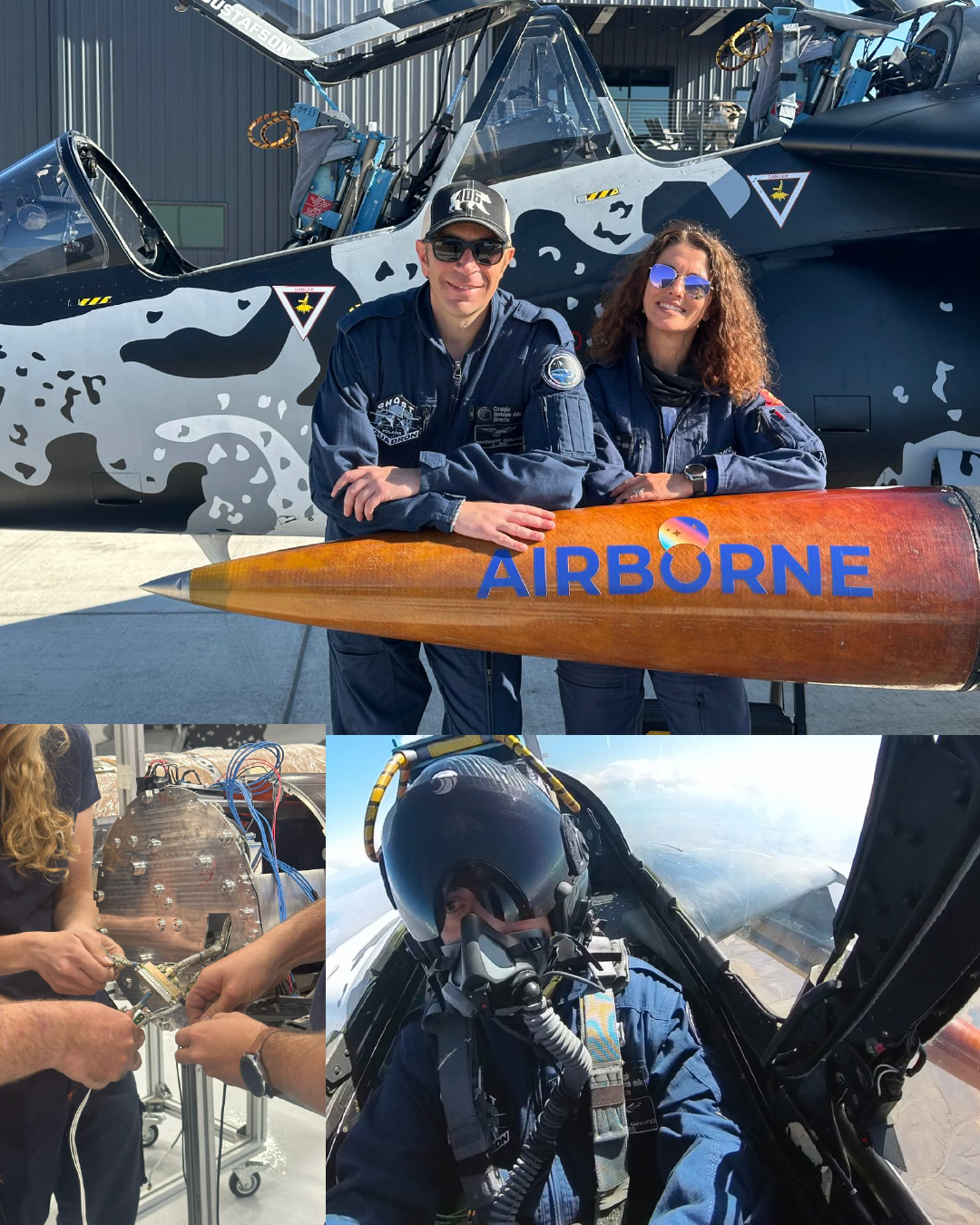
As part of the CNR’s activities on launch systems and in-flight testing, AIRBORNE makes a specific contribution to the AVIOLANCIO program, an initiative that integrates expertise in testing, operations, instrumentation, and mission management. In this context, the capability leverages a “laboratory-to-field” approach, transforming experimentation into a comprehensive and verifiable operational process.
At the same time, AIRBORNE supports initiatives and collaborations focused on suborbital flight, which is viewed as a strategic opportunity for validating payloads and procedures in environments of high relevance to the aerospace sector.
International partnerships
AIRBORNE collaborates with international partners and organizations to bring world-class testing methodologies and standards to the CNR’s research programs.
Partners and collaborators include NASA, for testing, integration, and operational methodologies in aerospace scenarios; the National Test Pilot School, for expertise and best practices in test planning, safety, and experimental procedures; and players in the New Space and suborbital flight sectors, including operators such as Virgin Galactic, regarding application scenarios and qualification processes.
For info: airborne@cnr.it